Auburn Office
Phenix City Office
Foley Office
Huntsville Office
Auburn
Phenix City
Foley
Huntsville
Is It Better to Use Heat or Ice for Back Pain?
Back pain can show up in different ways. You may wake up with a stiff lower back, feel soreness after lifting something heavy, or notice tightness after sitting at a desk for several hours. When discomfort starts, one of the first questions many people ask is whether they should reach for an ice pack or a heating pad.
So, is it better to use heat or ice for back pain?
The answer depends on what may be causing the discomfort and how recently it started. Ice is often used for a new injury or irritation, while heat may feel more helpful for stiffness, tight muscles, and ongoing discomfort. However, neither option is right for every type of back pain.
Understanding when to use each one can help you make a safer choice.
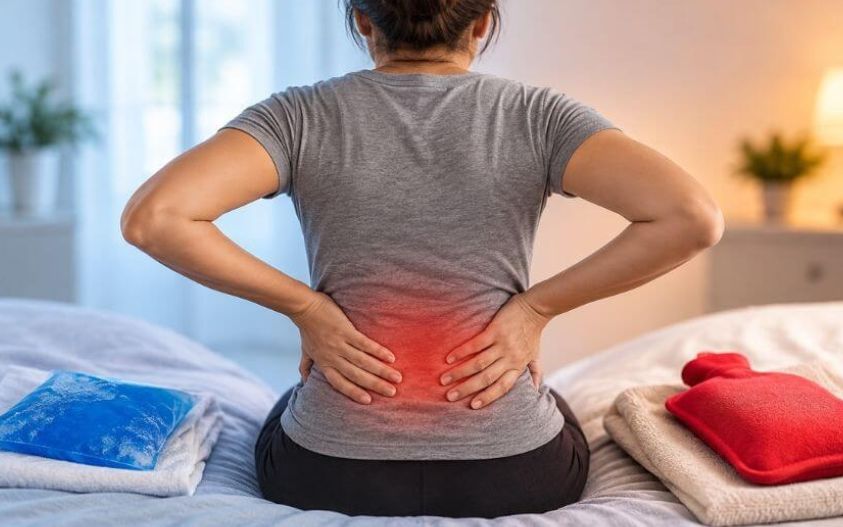
When Should You Use Ice for Back Pain?
Ice is commonly used during the early stages of a minor injury. For example, if you strain your back while lifting a box, exercising, or making a sudden movement, applying cold may temporarily reduce pain and help calm the area.
Cold causes blood vessels near the skin to narrow and can temporarily numb the area. This may make a recent injury feel more comfortable.
Ice may be worth considering when:
- Your back pain started after a recent minor injury
- The area feels irritated or tender
- You experienced discomfort after physical activity
- There appears to be mild swelling
- You want temporary numbing for a painful area
You do not need to place ice directly on your skin. Wrap an ice pack or bag of frozen vegetables in a thin towel before applying it.
A common approach is to use cold for about 15 to 20 minutes at a time, then remove it and allow your skin to return to its normal temperature.
When Should You Use Heat for Back Pain?
Heat may be more comfortable when your back feels stiff, tight, or achy rather than recently injured.
Warmth can help muscles relax and may make movement feel easier. This is one reason some people enjoy a warm shower in the morning when their lower back feels stiff.
Heat may be useful when:
- Your back muscles feel tight
- You have stiffness after sitting for a long time
- Your back feels achy rather than swollen
- You experience recurring muscle tension
- Your back feels stiff when you wake up
- Gentle warmth makes movement more comfortable
You can use a heating pad, warm towel, or warm shower. As with ice, avoid extreme temperatures.
If you use a heating pad, follow the manufacturer’s instructions and avoid falling asleep with it on.
Heat vs. Ice for Back Pain: Which Is Better?
There is no single winner in the heat vs. ice debate.
Think about when the pain started and how it feels.
For a recent minor strain or injury, cold may provide temporary relief, especially if the area feels irritated. For stiffness or muscle tightness, heat may feel better because warmth can help relax tense muscles.
For example, imagine you hurt your lower back while moving furniture. Using ice shortly after the injury may feel helpful. A few days later, once the initial irritation has settled, warmth may feel more comfortable if the muscles remain stiff.
On the other hand, if your back feels tight after sitting at your computer all day, you may prefer heat from the beginning.
Most importantly, pay attention to how your body responds. If heat or ice makes your symptoms worse, stop using it.
Can You Alternate Heat and Ice for Back Pain?
In some situations, people alternate between cold and heat.
Cold may be used first when discomfort follows a recent minor injury. Heat may then be used later when stiffness or muscle tightness becomes the bigger concern.
However, alternating between the two is not necessary for everyone. More treatment does not automatically mean better results.
If you are unsure why your back hurts, it may be more useful to understand the cause before repeatedly applying heat or ice.
Is Heat Good for Lower Back Pain?
Heat can feel soothing for many types of lower back stiffness and muscle tension.
The lower back supports your body during walking, bending, lifting, sitting, and many other daily movements. Long periods of sitting, changes in activity, poor lifting habits, or muscle fatigue can sometimes leave the area feeling tight.
Gentle heat may help those muscles relax temporarily.
But heat does not address every reason for lower back pain. If your discomfort keeps returning, lasts longer than expected, or affects your normal activities, consider having the problem evaluated rather than relying only on a heating pad.
You can learn more about how Cornerstone Family Chiropractic approaches back pain care and the different factors that may contribute to back discomfort.
What Else Can You Do for Minor Back Pain?
Heat and ice are only two options for managing temporary discomfort. Your daily habits can also make a difference.
Depending on your symptoms, you may benefit from gentle movement rather than staying in bed for long periods. Short walks and normal daily activities that do not increase your pain can help keep your body moving.
You can also pay attention to your sitting position, workstation, sleeping position, and lifting technique. If certain activities repeatedly trigger your symptoms, that pattern may provide useful clues about what is contributing to the problem.
Gentle stretching may feel helpful for some people, but avoid forcing your body into painful positions.
If posture seems to be contributing to recurring discomfort, it may also be helpful to understand how chiropractic care may help with poor posture.
When Is Back Pain More Than Simple Muscle Soreness?
Not every back problem should be managed at home with heat or ice.
Seek prompt medical care if back pain follows a serious accident or is accompanied by symptoms such as loss of bladder or bowel control, numbness around the groin or saddle area, significant weakness, fever, or other concerning symptoms.
You should also consider getting evaluated if the pain is severe, continues to worsen, regularly returns, or does not improve as expected.
Back pain can have many possible causes. What feels like muscle soreness may sometimes involve joints, nerves, discs, or other structures. An evaluation can help determine what may be contributing to your symptoms.
Can a Chiropractor Help with Back Pain?
Chiropractic care is another option some people consider when back pain is related to musculoskeletal problems.
Rather than simply deciding whether heat or ice feels better, a chiropractor can evaluate how your spine and surrounding joints are moving, discuss your symptoms, and look at factors such as posture, mobility, daily activities, and previous injuries.
The goal is to better understand what may be contributing to the discomfort and determine an appropriate care plan based on your individual needs.
This can be especially useful when back pain keeps returning and temporary home remedies are not solving the underlying problem.
Get Help with Back Pain at Cornerstone Family Chiropractic
Heat and ice can both have a place in managing minor back discomfort, but choosing between them depends on your situation. Ice is often used for recent minor injuries and irritation, while heat may be more comfortable for stiffness and muscle tension.
If you find yourself reaching for a heating pad or ice pack again and again, it may be time to look beyond temporary relief.
At Cornerstone Family Chiropractic, we take the time to understand your symptoms, movement, and daily habits before recommending care. If ongoing or recurring back discomfort is affecting your day, our team can help you explore whether chiropractic care may be appropriate for your needs.
Schedule an appointment to discuss your back pain and your options for care.
Frequently Asked Questions
For a recent minor strain or injury, ice may provide temporary relief. If your lower back mainly feels stiff or tight, heat may be more comfortable. The best choice depends on your symptoms and what caused the pain.
Ice is commonly applied for about 15 to 20 minutes at a time. Always place a cloth or towel between the cold pack and your skin.
Follow the instructions provided with your heating pad. Avoid using excessive heat or leaving a heating pad on while sleeping.
If you wake up with stiffness and muscle tightness rather than a recent injury, gentle heat may feel more soothing. Morning back pain that happens regularly may be worth evaluating to understand why it keeps occurring.
If your pain persists, becomes worse, repeatedly returns, or interferes with normal activities, consider getting evaluated by a qualified healthcare professional. Heat and ice can provide temporary comfort, but they may not address the reason your back hurts.